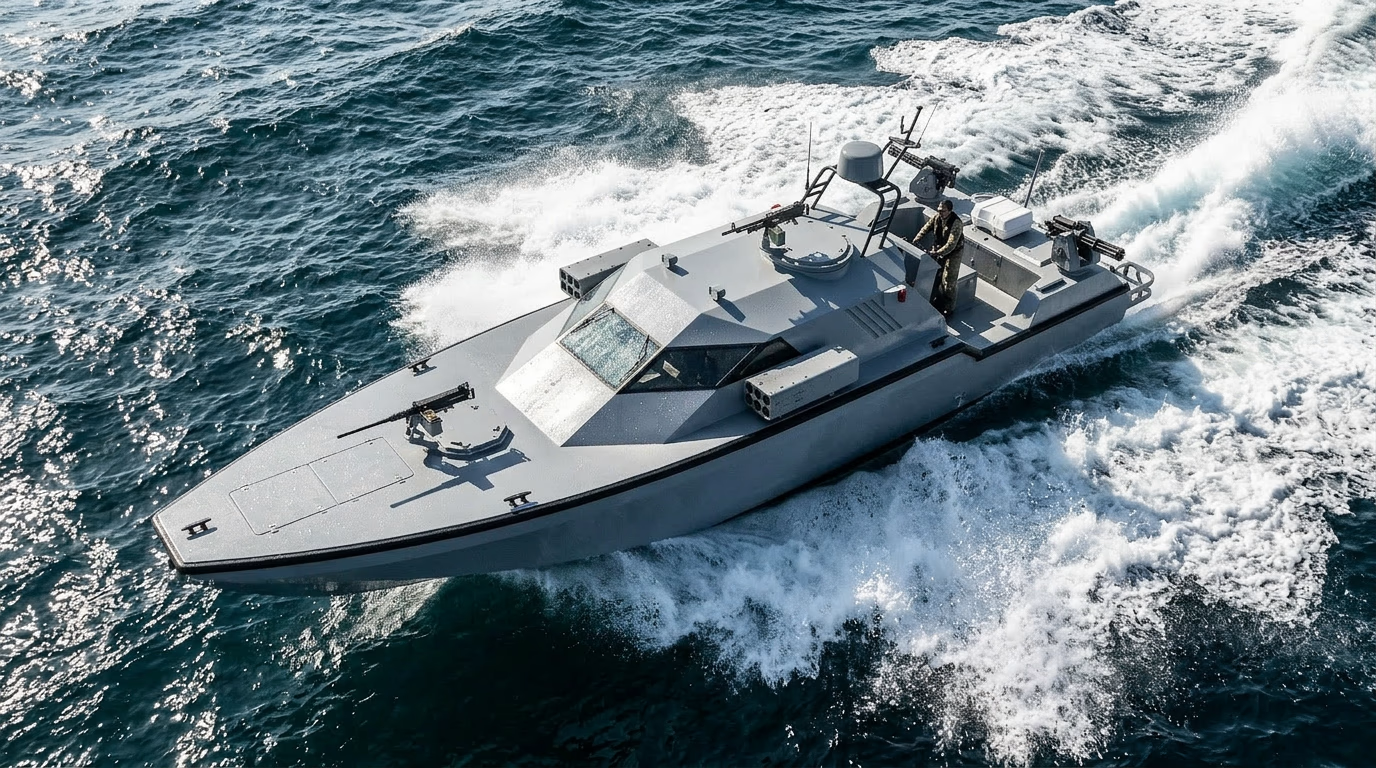
P760 | SHADOWHAWK 17
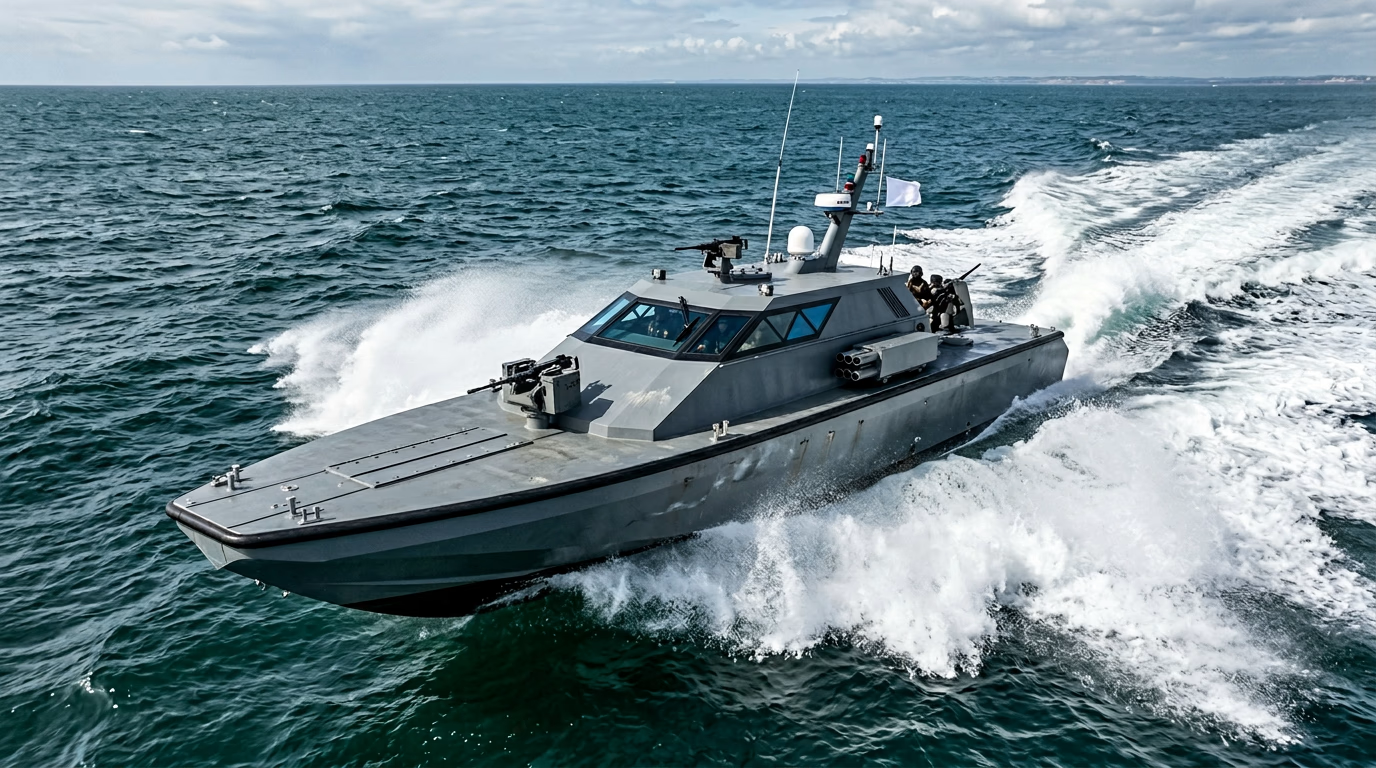
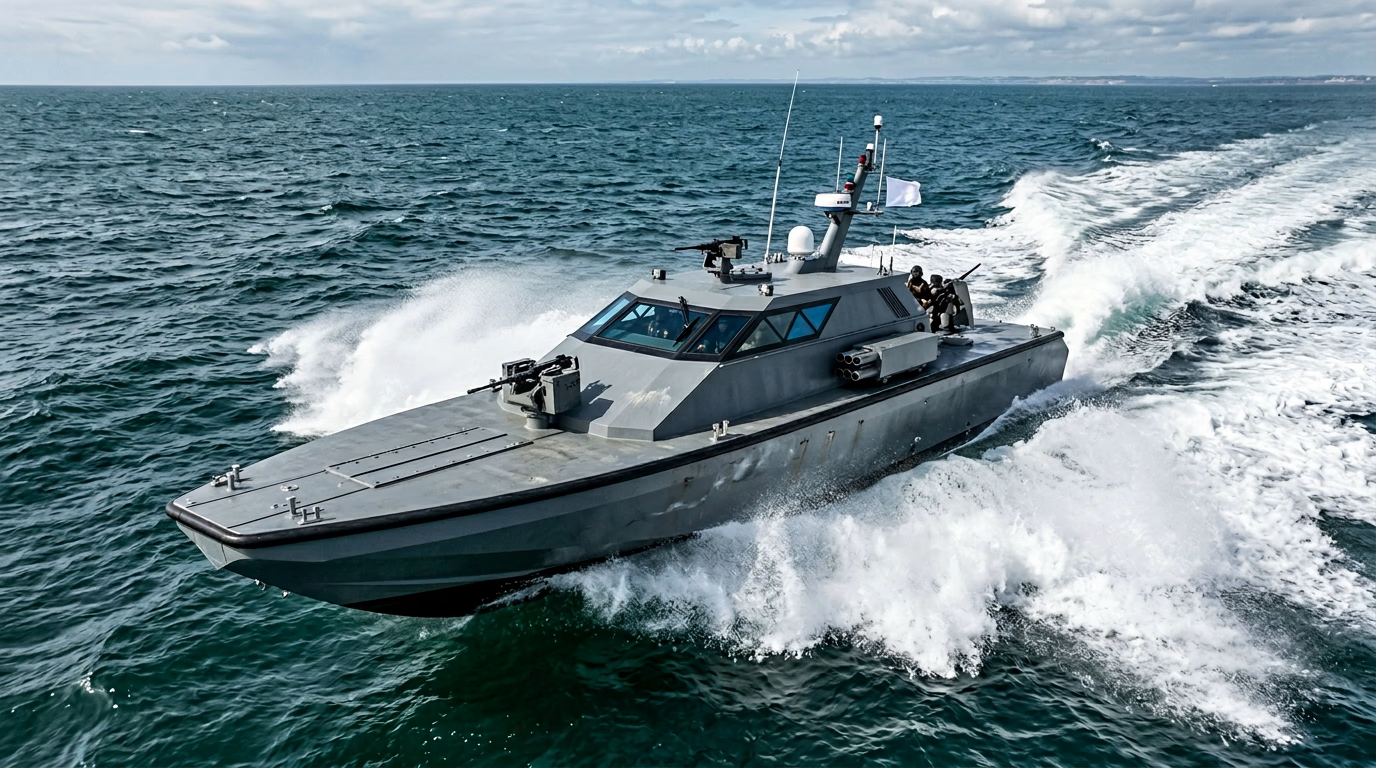
The Shadowhawk 17 Patrol & Intercept Vessel by KND is a high-performance tactical maritime platform engineered with an aluminium planing hull and a matching enclosed aluminium wheelhouse superstructure. Designed for heavy-duty coastal interdiction, border enforcement, and long-range pursuit, this imposing monohull measures 17.6 meters in length overall with a wide 4.63-meter beam and a shallow 0.59-meter draft. Operating under Grey Boat Code classification standards with Bureau Veritas (BV) and HPi CE proof validation, the craft manages a maximum full-load displacement of 17.02 tons.
The vessel’s internal architecture is highly optimized for crew stamina and heavy weapons integration during high-stress deployments. The 3D cutaway plans illustrate an enclosed command bridge housing an array of dedicated shock-mitigation suspension seats to safely transport a 14-person crew and troop complement on a 1-day operational endurance baseline. Below deck, the hull features forward equipment or troop space, low-slung central fuel and fresh water tanks to maintain a stable center of gravity, a domestic head/toilet facility, and an organized engine or storage bay layout. Ongoing crew logistics are supported by integrated holding capacities including 150 liters of fresh water and 98 liters of waste water storage.
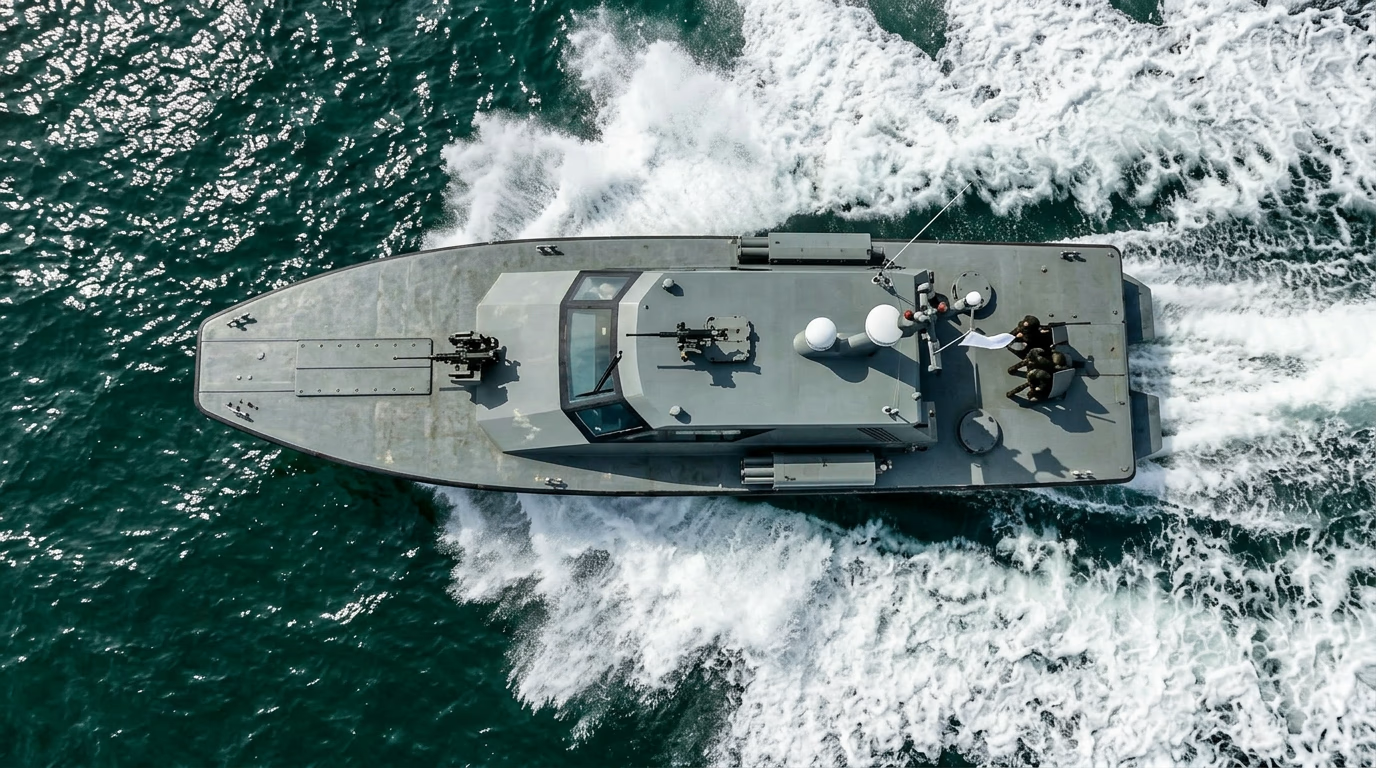
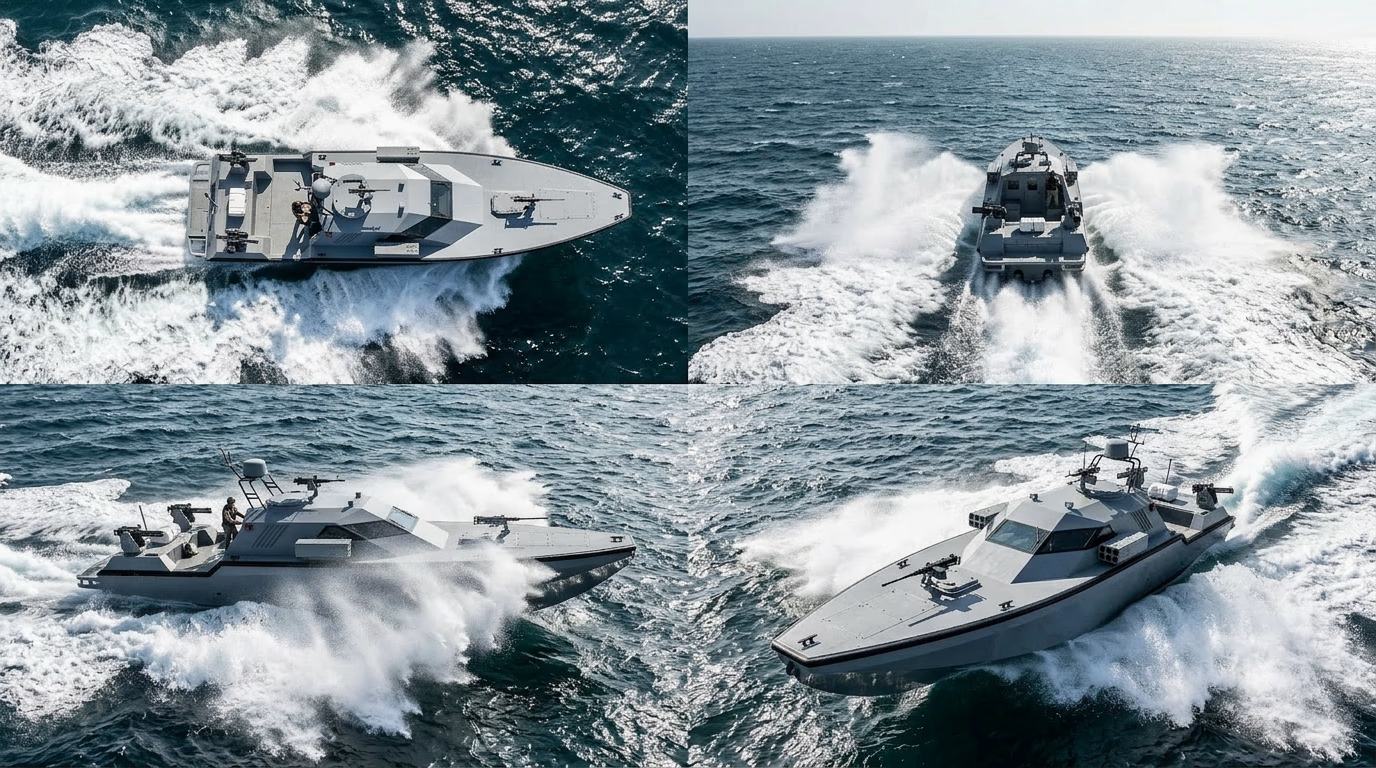
To establish tactical fire superiority, the deck layout accommodates a heavy array of weapons positions, including a port-side forward machine gun mount, an elevated cabin-top remote weapon station (RWS), and an aft-deck swivel machine gun station.
To ensure blistering pursuit velocities and rapid acceleration, the platform relies on a 2,542-liter total fuel capacity and offers two high-power recommended propulsion arrangements depending on operational theater needs:
Option A (Quad Outboard): This ultra-high-speed configuration utilizes a massive quad-motor setup delivering a combined 1,600 hp of recommended installed power (4×400 hp). It propels the craft to a maximum speed of 51.8 knots and a rapid cruising speed of 38.4 knots. At cruise velocity, it burns 264 liters of fuel per hour, yielding an active tactical range of 333 nautical miles at an estimated light displacement of 12.95 tons.
Option B (Twin Jet Drive): Engineered for superior heavy-weather agility and debris-strewn shallow waters, this setup utilizes dual inboard waterjets delivering a combined 2,000 hp of recommended power (2×1000 hp). It pushes the vessel to a maximum speed of 50.6 knots and a swift cruising speed of 40.8 knots. Running at its cruise setting, the jet system burns 286 liters per hour, securing an active operational range of 326 nautical miles at its full 17.02-ton displacement.
The platform’s heavy electronics architecture, climate grids, and defensive weapon auxiliary networks run on a dual 230 VAC and 48 VDC electrical power supply. This grid draws from a large recommended 3,560 Ah house battery bank and a robust 11.1 kW / 13.9 KVA generator set (genset). This heavy-duty system feeds a high-output climate control framework running an approximate 27,100 BTU/h air conditioning system to keep the enclosed command bridge temperature-regulated.
The helm console features an advanced navigation pack centered on a large 16-inch multi-function display (MFD). Completely integrated via a unifying NMEA2000 backbone, this bridge core ties together a VHF DSC radio, AIS-B++ transponder, a 4 kW radar system, an autopilot, and a 1 kW sonar. Standard legally mandated maritime safety, communication, and navigation gear completes the helm build, including a masthead light, stern light, sidelights, a magnetic compass, a sound signaling device, a VHF radio, emergency flares, navigation charts, a GPS/chartplotter, a radar reflector, and a depth sounder.
KND offers mission-specific upgrades under its optional extras, including specialized ballistic protection and guided-rocket launchers to meet the highest defense requirements. In accordance with standard KND technical workflows, these preliminary parameters represent concept-level estimates that remain subject to final design development and detailed engineering modifications