P660 | SHADOWHAWK 14F
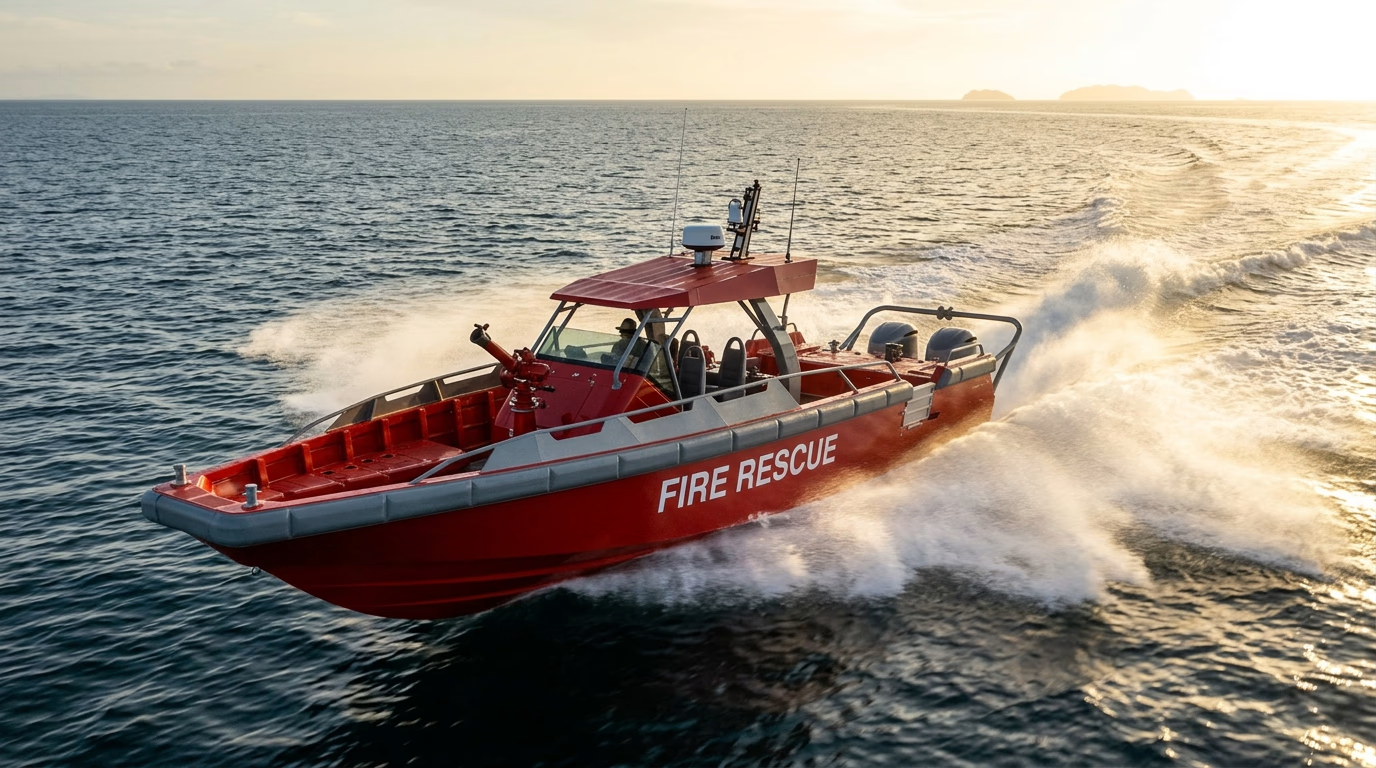
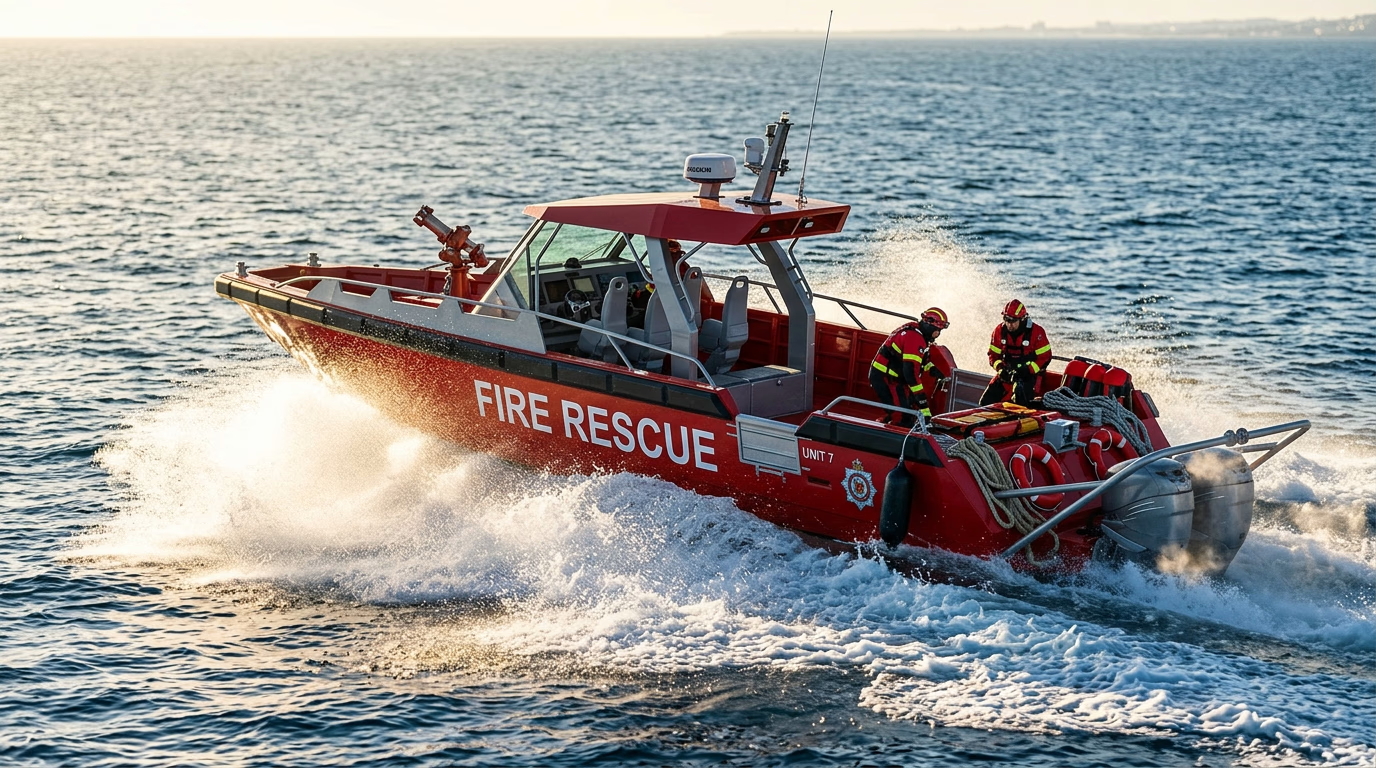
The Shadowhawk 14 F Fire Rescue Vessel by KND is a specialized high-speed emergency response platform engineered with an aluminium planing hull and an aluminium wheelhouse superstructure. Purpose-built for marine firefighting, search and rescue (SAR), and coastal disaster response, this monohull measures 14.0 meters in length overall with a 3.32-meter beam and a shallow 0.47-meter draft. Operating under Bureau Veritas (BV) and Grey Boat Code classification frameworks with HPi CE proof validation, the platform handles a maximum full-load displacement of 7.71 tons.
Hull & Deck Architecture
The vessel is structurally organized around a 600mm frame spacing layout. Its deck plan is explicitly optimized for emergency medical response and firefighter utility, featuring:
Tactical Access & Boarding: A specialized bow landing ramp for direct shoreline access, paired with port and starboard boarding ladders.
Rescue Zones: Dedicated port and starboard rescue zones positioned amidships to facilitate safe water recoveries.
Operational Hardware: Built-in forward and aft lifting points (port and starboard), a manual winch, and a stern-mounted spare gasoline tank platform.
Seating Configuration: A versatile open deck layout equipped with multiple seating blocks, including 3-seater bench seats, a 3-seater jump seat block, and a 4 x 3-seater jump seat array to accommodate rescued personnel or deployment teams.
Capacity Baseline: The vessel operates with a standard 3-person crew complement on a 1-day endurance baseline. Onboard liquid storage includes 75 liters of fresh water alongside 0 liters of waste water capacity.
Firefighting Payload & Capacities
The lower hull configuration is partitioned into highly specialized technical bays to support its primary mission profile:
Pump Room: An enclosed forward pump room accessible via a dedicated deck hatch houses a high-output fire pump.
Fire Monitors: The pump feeds an elevated, cabin-top fire monitor and a secondary forward deck-mounted fire hydrant connection to combat marine and shoreline blazes.
Chemical Suppression: In addition to water-pumping capabilities, the hull incorporates a dedicated 250-liter foam tank to deploy chemical suppressants.
Auxiliary Fueling: Space is allocated for a 110-liter diesel tank (port and starboard) to run onboard machinery alongside primary fuel integration.
Performance & Propulsion
To ensure rapid response times, the craft utilizes a high-efficiency outboard engine propulsion arrangement drawing from a 700-liter total fuel capacity divided into twin 200-liter tanks (port and starboard) and secondary reserves. Driven by dual motors delivering a combined 800 hp of recommended installed power ), the vessel achieves a maximum speed of 42.8 knots and a cruising speed of 31.7 knots. At its designated cruise velocity, it operates at a fuel burn rate of 132 liters per hour, yielding an active emergency operational range of 151 nautical miles at full 7.71-ton displacement.
Electrical & Navigation Systems
The platform’s technical systems, searchlights, and fire suppression electronics operate via a dual 230 VAC and 24 VDC power supply network. This grid draws from a recommended 4,100 Ah house battery bank and a 6.4 kW / 8 KVA generator set (genset). The auxiliary power network supports an approximate 14,750 BTU/h air conditioning system to keep the enclosed command bridge climate-controlled during high-temperature firefighting operations.
The helm is outfitted with an advanced basic navigation pack centered on a 16-inch multi-function display (MFD). Completely tied together via a unifying NMEA2000 backbone, this bridge core integrates a VHF DSC radio, AIS-B transponder, a 4 kW radar system, an autopilot, and a 1 kW sonar. Standard compulsory maritime safety equipment rounds out the navigation console, including a masthead light, stern light, sidelights, a magnetic compass, a sound signaling device, emergency flares, and navigation charts.
As noted throughout KND’s engineering documentation, these preliminary parameters represent concept-level estimates that remain subject to final design development and detailed engineering modifications.